Happy Green: A Vibrant Serif for Bold Branding
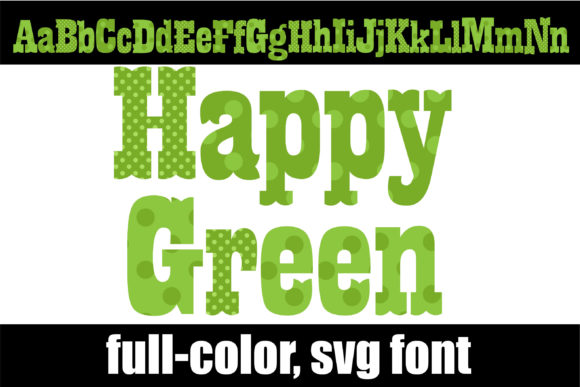
In a world saturated with neutral sans-serifs and delicate scripts, finding a typeface that genuinely radiates personality can feel like striking gold. Happy Green is that kind of discovery—a heavy, full-color serif font that doesn't just occupy space on a page; it makes a statement. This isn't your standard, single-weight character set. As a premium Opentype-SVG color font, Happy Green arrives pre-rendered with multiple shades of green, giving each letterform a rich, almost tactile depth that flat colors simply cannot achieve.
For designers and brand strategists, the appeal lies in the immediate visual impact. The heavy serif construction grounds the typography with authority and legibility, while the vibrant color palette injects a sense of vitality, growth, and natural energy. It bridges the gap between serious typography and playful expression. Whether you are launching a lifestyle brand, curating a magazine layout, or designing a logo for an organic startup, this typeface offers a distinct voice that feels both contemporary and grounded.
Visual Personality and Design Characteristics
At its core, Happy Green is a display font designed for headlines and focal points. The visual weight is substantial; the strokes are thick and confident, ensuring high visibility even from a distance. However, the "heavy" descriptor doesn't mean it feels blocky or oppressive. The serifs are well-defined, providing a classic structure that aids readability, while the integration of multiple green hues creates a gradient-like effect within the letters themselves.
This creates a unique aesthetic that feels organic and modern. It avoids the harshness of neon and the dullness of olive, landing in a sweet spot that suggests freshness and sustainability. Because it is a color font, the texture has a slight rasterized quality when zoomed in, but at standard viewing distances—whether on a computer screen or printed material—it renders as a seamless, sophisticated graphic element. It transforms text into art, making it an invaluable asset for creative projects where typography needs to do more than just convey information.
Strategic Applications Across Industries
Understanding where Happy Green fits best requires looking at the intersection of personality and utility. This is not a font for body copy in a legal document; it is a creative font built for engagement. Its utility spans a wide range of professional and personal projects, provided the goal is to capture attention and evoke a specific mood.
Branding and Logo Design
For small business owners and entrepreneurs, logo design is about instant recognition. Happy Green offers a built-in color story that works beautifully for brands in the wellness, food, gardening, or eco-friendly sectors. Imagine a logo for a sustainable skincare line or a farm-to-table restaurant. The font does the heavy lifting of establishing a "green" identity before a customer even reads the word. It pairs exceptionally well with a clean sans serif font for supporting text, allowing the logo to pop while maintaining a professional hierarchy.
Digital and Social Media Graphics
In the fast-scrolling environment of social media, stopping the thumb is the primary objective. Happy Green excels here. It is perfect for Instagram story headers, Pinterest pins, and YouTube thumbnails where high contrast and bold visuals are rewarded. The multi-green shading catches the eye naturally, making it an excellent choice for announcements, sale graphics, or lifestyle quotes. For content creators, using this font can establish a consistent visual brand identity that followers recognize instantly in their feeds.
Publishing and Editorial Design
Magazine covers, book titles, and chapter headings often require a typographic anchor that sets the tone. In editorial design, this typeface can break the monotony of standard serif fonts like Times New Roman or Garamond. It works particularly well for publications focused on nature, outdoor living, or modern lifestyle trends. It introduces a layer of visual storytelling through color, reducing the need for excessive graphical embellishments around the headline.
Packaging and Print Design
Physical products rely on shelf appeal. Packaging design for artisanal goods, coffee blends, or healthy snacks can benefit from the earthy yet modern vibe of Happy Green. Because it is an Opentype-SVG font, it renders beautifully in digital print environments. However, designers should note the specific compatibility requirements for print workflows to ensure the color data transfers correctly to the final output.
Technical Considerations and Workflow Integration
While the aesthetic appeal of Happy Green is undeniable, practical application requires understanding its technical specifications. As a color font (Opentype-SVG), it behaves differently than standard vector fonts. It contains embedded SVG data that preserves the color gradients and shading within the font file itself.
Compatibility Check: This font is compatible with major professional design software including Adobe Photoshop, Adobe Illustrator, and Inkscape. It is also compatible with Silhouette software, which is excellent news for hobbyists and crafters who use cutting machines for vinyl decals or heat transfers.
The Cricut Caveat: It is crucial to note that the OTF and TTF files included with this product are not compatible with Cricut Design Space. Cricut machines generally struggle with complex color font data. If you are a Cricut user, you may need to convert the text to a standard path or outline in Illustrator or Inkscape before importing it, though this will flatten the colors. Always test your workflow before committing to a final project.
For those new to working with color fonts, reviewing the Ultimate Font Guide provided by the creator is highly recommended. It offers insights into managing these design assets effectively, ensuring that the "Happy Green" experience is seamless from installation to final export.
Maximizing Impact with Font Pairings
Typography is rarely a solo act. To get the most out of Happy Green, considering font pairing is essential. Because this typeface is heavy, colorful, and distinctly serif, it needs a partner that complements without competing.
- Pair with a Neutral Sans Serif: A clean, geometric sans serif font (like Montserrat or Helvetica) makes the perfect companion. Use the sans serif for body text and subtitles to let Happy Green dominate the headlines. This creates a clear visual hierarchy and ensures the page doesn't feel too "busy."
- Pair with a Minimalist Script: If the project calls for a touch of elegance, a light, handwritten font can work alongside it, provided the script is legible and restrained. This combination works well for wedding invitations or boutique branding.
- Monochromatic Backgrounds: To let the multi-green tones shine, place the font against neutral backgrounds—whites, creams, light grays, or even charcoal. Avoid placing it on busy photographic backgrounds unless you use a solid shape or overlay behind the text to ensure legibility.
Practical Guidance for Selection and Licensing
Before integrating Happy Green into your next project, take a moment to evaluate the fit. Ask yourself: Does this project require a serious, corporate tone, or does it allow for personality and vibrancy? If the former, this might be too playful. If the latter, it is an ideal candidate.
Furthermore, always review the commercial licensing terms. Whether you are a freelancer creating assets for a client or a business owner designing your own merchandise, understanding the usage rights is a professional necessity. Ensure the license covers your intended distribution method, whether it is for digital web use, physical print products, or merchandise sold on demand.
Ultimately, Happy Green is more than just a collection of glyphs; it is a design asset that brings energy to typography. By leveraging its unique color properties and heavy serif structure, you can elevate standard text into a memorable visual experience. It proves that fonts don't have to be black and white to be professional; sometimes, a little green is exactly what a design needs to come to life.