Skeleton: The Star-Filled Display Font for Impactful Design
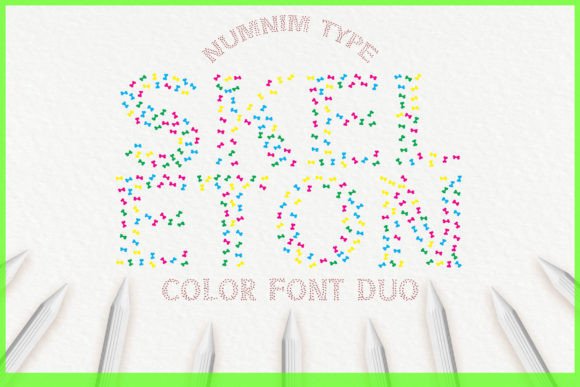
When you need a typeface that does more than just convey words, Skeleton enters the conversation. This isn't your standard serif or sans serif workhorse. Skeleton is a decorative color font where each character is meticulously crafted from a constellation of small stars. The result is a visual texture that’s instantly intriguing, offering a playful yet sophisticated vibe perfect for projects that demand a second look. It’s a prime example of modern typography pushing boundaries, blending artistry with function to create a memorable design asset.
A Style That Sparks Curiosity
The personality of Skeleton is inherently creative and engaging. The star-filled construction gives it a whimsical, celebratory quality, yet the letterforms remain clear and purposeful. This balance is key. It avoids feeling overly childish or chaotic, making it versatile for a range of audiences. Think of it as a premium font with built-in visual interest. Each letter acts like a tiny piece of digital confetti, which can inject energy and a sense of occasion into your work. The overall appeal lies in its unique texture—it catches the light in a way a flat color font cannot, adding depth and a tactile quality even on screen.
Where Skeleton Truly Shines
Understanding where to deploy a creative font like Skeleton is half the battle. Its strength lies in being a display font, meant for headlines, logos, and short bursts of impactful text. It’s not designed for long paragraphs of body copy, but for those moments where you want to make a statement.
- Branding & Logo Design: For a brand targeting a youthful, celebratory, or artistic market, Skeleton can become a cornerstone of the identity. Imagine it on a boutique bakery’s logo, a children’s event planning service, or an indie music festival poster. It immediately sets a tone of fun and creativity, aiding in brand recognition.
- Marketing & Social Media: In the fast-scroll world of social media, stopping power is everything. Use Skeleton for Instagram story highlights, Facebook ad headlines, or YouTube thumbnails. Its novelty helps content stand out in a crowded feed, potentially boosting engagement and click-through rates. It’s a fantastic tool for social media graphics that need to pop.
- Publishing & Editorial Design: Consider a magazine cover, a book title for a fantasy or children’s novel, or chapter headings in a playful publication. Skeleton adds a layer of visual storytelling before the reader even begins the text. It pairs interestingly with a clean sans serif for body copy, creating a dynamic visual hierarchy.
- Packaging & Product Design: For products in the beauty, confectionery, or lifestyle space, Skeleton can elevate packaging design. A product name rendered in this starry font on a sleek box or label can communicate a sense of luxury, celebration, or artisanal quality.
- Personal Projects & Crafting: This is where Skeleton’s charm fully extends. It’s perfect for birthday invitations, holiday cards, custom stationery, or personalized gifts. The ability to use it in programs like Adobe Illustrator or Silhouette Studio makes it a versatile tool for hobbyists and crafters looking to add a professional, custom touch to their projects.
Practical Considerations for Your Workflow
Before integrating Skeleton into your project, a few practical checks will ensure a smooth process and the best outcome.
Testing Font Pairings and Readability
The golden rule with a strong display font is pairing. Skeleton’s intricate star pattern means it needs a simpler counterpart. A classic, neutral sans serif font like Helvetica or a traditional serif font like Garamond for body text will provide a clean, readable foundation, allowing Skeleton to be the star of the show without overwhelming the viewer. Always test your chosen pairings at the actual size they’ll be used. What looks balanced on a large monitor might become illegible as a small headline on a mobile screen.
Evaluating Project Fit and Licensing
Ask yourself: does the starry, decorative nature of Skeleton align with my project’s goals and audience? For a formal law firm, it’s likely not the right fit. For a tech startup targeting gamers or a wedding planner, it could be perfect. Also, review the licensing. If you’re using it for a commercial project—like client work, merchandise for sale, or a monetized website—ensure you have the appropriate commercial font license. The product details should clarify this.
Understanding File Compatibility
This is a critical technical note. Skeleton is a color font in the OpenType-SVG format. This format allows for the rich, multi-colored star details. However, compatibility is not universal across all design software. It works seamlessly in Adobe Photoshop, Adobe Illustrator, Silhouette Studio, and Inkscape. It is not compatible with Cricut Design Space, which cannot render color fonts. Always verify your software supports Opentype-SVG fonts before purchasing or beginning a project. Checking a resource like the provided Ultimate Font Guide can save you time and frustration.
Leveraging Included Styles
Many premium fonts come with stylistic alternates, ligatures, or multiple weights. Explore the full character map of Skeleton. You might find alternate star patterns or stylistic sets that offer subtle variations, giving you more creative control and helping you maintain visual consistency across a larger project while avoiding monotony.
In the landscape of modern typography, Skeleton offers a distinct voice. It’s a creative font that understands its role: to inject personality, celebration, and a touch of magic into targeted design elements. Used thoughtfully, it can transform a standard design into an engaging visual experience, making it a valuable addition to any designer’s or creator’s toolkit. Its value isn’t just in its appearance, but in its ability to convey a specific feeling—joy, whimsy, and creativity—through the very shape of its letters.