Japanese Weave: A Cool Color Font for Modern Design
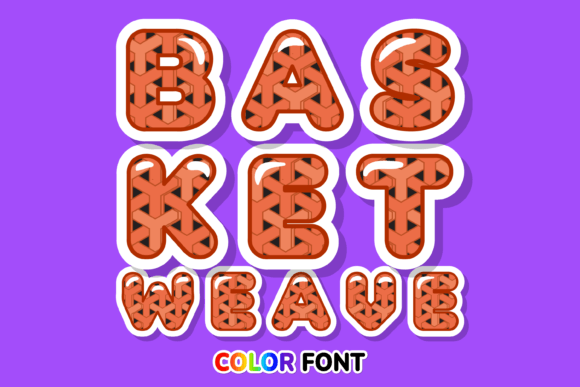
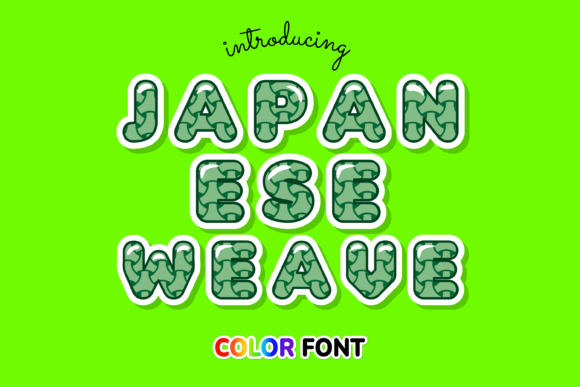
There are fonts that simply sit on a page, and then there are fonts that command attention. Japanese Weave falls firmly into the latter category. This isn't just another typeface; it's an incredibly cool color font that brings a unique, woven texture and vibrant visual interest to any project. Imagine a typeface where each letterform appears intricately crafted, with threads of color interlacing to create a stunning, tactile effect right on screen. That’s the core appeal of Japanese Weave.
Understanding the Visual Language of Japanese Weave
At its heart, Japanese Weave is a premium font designed for impact. Its personality is bold, artistic, and distinctly modern. The visual style draws inspiration from textile patterns, resulting in letters that feel both structured and organic. The interplay of color within each glyph gives it a dynamic quality that static fonts can't match. This display font excels in situations where you need to make a statement, inject personality, or add a layer of sophisticated texture to your typography.
Think of it as a bridge between traditional craft and digital design. The "weave" effect adds depth and a handcrafted sensibility, while the clean underlying letterforms ensure it remains legible and functional. It's a creative font that doesn't sacrifice usability for artistry. For designers and creators, this offers a powerful tool to differentiate work, whether you're building a brand identity, crafting social media graphics, or designing packaging that needs to stand out on a shelf.
Where Japanese Weave Truly Shines: Practical Applications
The strength of Japanese Weave lies in its versatility within specific creative contexts. It's not the font for long body text, but it's a powerhouse for headlines, logos, and accent text. Its woven texture makes it particularly effective in projects where a tactile or artisanal feel is desired.
Consider these real-world applications:
- Logo Design & Brand Identity: For brands in fashion, lifestyle, artisanal goods, or creative services, Japanese Weave can become a cornerstone of their visual identity. It instantly communicates craftsmanship, attention to detail, and a modern aesthetic.
- Editorial & Packaging Design: Magazine covers, book titles, and product packaging can leverage this font to create a striking first impression. It works beautifully for headlines on posters, book jackets, or specialty product labels where the goal is to evoke quality and artistry.
- Digital & Web Design: Use it for hero section headings, call-to-action buttons, or featured quotes on a website. In social media graphics, it can make a post instantly scroll-stopping, perfect for announcements, promotions, or artistic statements.
- Crafting & DIY Projects: As noted, this is an Opentype-SVG color font. This means crafters using compatible software like Silhouette Studio can cut designs with the multi-color effect intact, opening up possibilities for unique vinyl decals, custom apparel, and personalized home decor.
The key is to use it strategically. Pair it with a clean sans serif font or a simple serif font for body text to create a balanced visual hierarchy. The contrast will let Japanese Weave command attention without overwhelming the viewer.
Working with Japanese Weave: A Practical Guide
Integrating a color font like Japanese Weave into your workflow requires a bit of forethought. Its unique nature is its greatest asset, but it also means it behaves differently from standard OTF or TTF fonts.
First, check your software compatibility. This is non-negotiable. Japanese Weave is an OpenType-SVG font, meaning it embeds vector graphics within the font file. It works in applications that support this technology, such as Adobe Photoshop, Adobe Illustrator, Silhouette Studio, and Inkscape. Crucially, it is not compatible with Cricut Design Space. Always verify the technical requirements before purchasing for a specific project.
Next, evaluate the project fit. Ask yourself: Does this project need a bold, textured statement? Is the goal to stand out and convey a specific artistic vibe? If you're designing a corporate report, this isn't the font. If you're creating a poster for a music festival, a logo for a boutique, or an Instagram story for a new product launch, it could be perfect.
Then, master the font pairing. Because Japanese Weave is visually dense, it needs room to breathe. Use it sparingly—for main headlines or key focal points. Pair it with a highly legible, neutral font for supporting text. A geometric sans serif like Montserrat or a classic serif like Lora can provide a clean, professional counterpoint. Test your pairings at different sizes to ensure the woven texture remains clear and doesn't become muddy at smaller scales.
Finally, understand the licensing and styles. When you acquire a commercial font like this, review the license. Most premium licenses cover a wide range of uses, but it's your responsibility to ensure it fits your project's scope—whether for personal, client, or commercial work. Check what's included: does the font family come with different weights or styles? While Japanese Weave's primary draw is its color effect, understanding all the design assets included will help you maximize its value.
Japanese Weave is more than just a typeface; it's a design asset