Wave Pattern: A Color Font for Vibrant Design
Unpacking the Wave Pattern Aesthetic
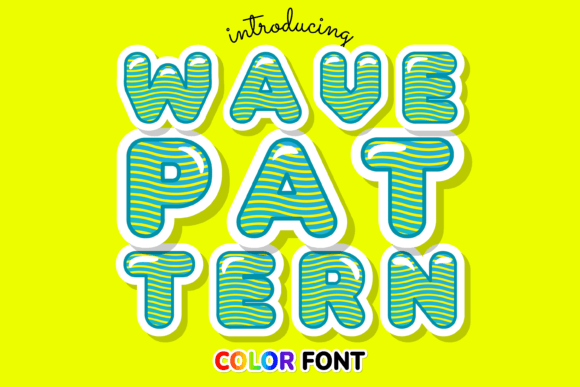
When you first encounter Wave Pattern, the immediate reaction is often a mix of curiosity and delight. It isn't just another typeface; it's a premium font that leverages modern typography to bring a literal splash of color to your projects. The defining characteristic of Wave Pattern is its construction: the letters are formed from fluid, undulating stripes of color, creating a sense of movement and rhythm even in static text. It captures the energy of the ocean or a retro neon sign, depending on the color palette you apply.
As a display font, Wave Pattern is unapologetically bold. It doesn't try to whisper; it speaks with a distinct, confident voice. The visual personality is playful yet sophisticated, making it a versatile creative font for designers who want to inject life into their work. Unlike a standard sans serif font or a traditional serif font, which relies on line weight and shape alone, this typeface relies on its internal structure and color interplay. It is a prime example of how modern typography is evolving beyond simple outlines to become dynamic design assets.
Strategic Applications for Maximum Impact
The true value of a color font like Wave Pattern lies in its application. Because it is an OpenType-SVG font, it carries high-resolution color data within the file itself. This makes it incredibly effective for specific areas of design where visual hierarchy and engagement are paramount. However, it is crucial to understand where this typeface shines and where it might struggle.
Branding and Identity
For brand identity, Wave Pattern can serve as a powerful accent. It is an excellent choice for a logo design that needs to stand out in a crowded marketplace. Think of a surf shop, a creative agency, or a summer music festival. Using this font for a primary logo or a sub-brand mark instantly communicates a modern, energetic vibe. It works beautifully on business cards, letterheads, and merchandise where the printing process supports full-color fidelity.
Digital and Editorial Design
In the realm of web design and editorial design, this font is best used for headlines, pull quotes, or hero section titles. Imagine a travel blog featuring a header in Wave Pattern that mimics the ocean waves discussed in the article. For social media graphics, it is a game-changer. In a feed dominated by standard text, a colorful, wave-styled header can stop the scroll and increase engagement. It offers a level of visual flair that standard text overlays simply cannot match.
Packaging and Print
For packaging design, particularly in the cosmetics, food, or lifestyle sectors, Wave Pattern adds a tactile, premium feel. It suggests that the product inside is fun, creative, and high-quality. When used on tote bags, stickers, or posters, it retains its vibrancy and acts as a focal point for the layout.
Readability and Visual Hierarchy
One of the most important considerations when working with a display font is readability. Wave Pattern is designed for impact, not for body copy. Attempting to use this font for long paragraphs would result in visual fatigue for the reader. The complex color fills, while beautiful, can make small text muddy and difficult to decipher.
Instead, use Wave Pattern to establish a strong visual hierarchy. Let it be the "shout" in your design, supported by a quiet, clean sans serif font or a simple serif font for the supporting text. This contrast is fundamental to good typography. By pairing the energetic wave with a neutral companion, you ensure that the design remains professional and readable while still maintaining that unique flair. The font influences brand perception by signaling that a company is not afraid to be bold and contemporary.
Practical Guide to Selection and Implementation
Choosing to integrate a color font into your workflow requires a bit of planning. Unlike standard fonts, the implementation of Wave Pattern depends heavily on the software you use. As noted in the product specifications, this is an OpenType-SVG font compatible with major design software like Adobe Photoshop, Illustrator, and Inkscape.
Here is a practical checklist for evaluating if Wave Pattern fits your next project:
- Software Compatibility: Ensure your primary design tool supports color fonts. If you are using Silhouette for crafting, this font is compatible. However, note that standard vector cutters like Cricut do not support the color data of OTF/TTF files in the same way, which is a vital distinction for crafters.
- Project Context: Ask yourself if the project calls for a "fun" or "energetic" mood. Wave Pattern is not suitable for corporate legal documents, but it is perfect for a youth-oriented marketing campaign.
- Font Pairing: Before committing, test the font alongside your body copy. Does the weight of the Wave Pattern headline balance with the text below it?
- Scale: Always view the font at the size you intend to use it. The wave effect is most legible and impactful at larger sizes.
Licensing and Commercial Use
For entrepreneurs and small business owners, understanding the licensing of commercial fonts is non-negotiable. Wave Pattern is a professional-grade asset, and its use in commercial projects—such as client work, merchandise for sale, or marketing materials—is typically covered under the license provided by the seller.
However, it is always best practice to review the specific terms included with the download. If you are a designer creating a logo for a client using this font, ensure the client understands that they are purchasing the design, not necessarily the font file itself, unless the license permits redistribution. This protects your business and respects the work of the type designers who created this unique asset.
Ultimately, Wave Pattern is more than just a set of letters; it is a design statement. It bridges the gap between typography and illustration, offering a tool that can elevate a mundane layout into something memorable. Whether you are designing a wedding invitation, a website header, or a brand logo, this font provides the "wow" factor that is often hard to achieve with standard typefaces. By respecting its nature as a display font and utilizing it strategically, you can harness its full potential to create designs that resonate and engage.