Why Fish Pattern is the Color Font Your Projects Need
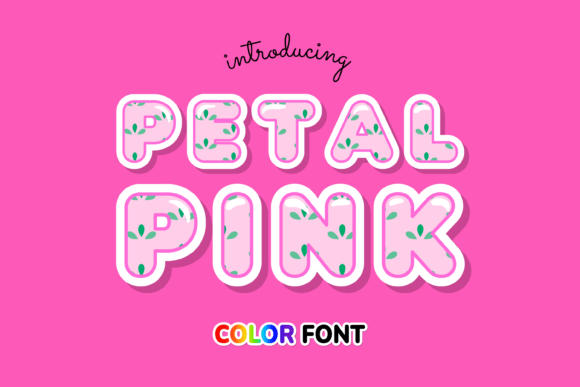
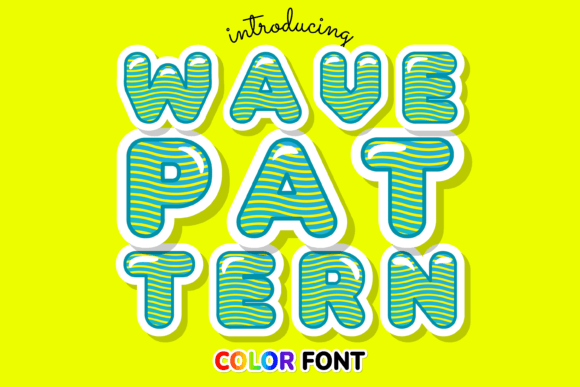
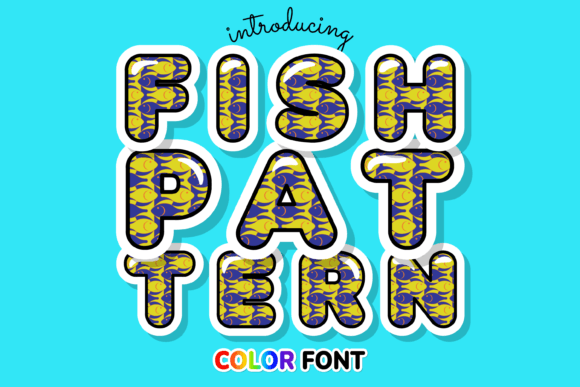
There are moments in every creative process when you need a design element that does more than just sit on the page. You need something with personality, something that immediately communicates a specific mood or energy. This is where a premium font like Fish Pattern enters the conversation. It’s not just a set of characters; it’s a fully realized visual asset. As a color font built on the Opentype-SVG technology, it delivers intricate, multi-colored patterns directly within the letterforms themselves. Think of it as embedded graphic design within a typeface. Each character in Fish Pattern features a cool, fish-scale inspired motif, giving your text a dynamic, textured appearance right out of the box.
The visual personality of Fish Pattern is distinct. It’s playful yet sophisticated, organic yet structured. The scale-like pattern lends a sense of movement and rhythm, making it an excellent display font for headlines, logos, and short bursts of impactful text. Its style bridges the gap between a creative font and a functional design tool. Unlike a standard serif font or sans serif font, which rely on form alone, Fish Pattern uses color and pattern to create depth. This makes it a standout choice in the realm of modern typography, where blending graphic elements with type is a growing trend. It’s a font that doesn’t just spell words; it illustrates them.
Strategic Applications for Impactful Design
Understanding where Fish Pattern works best is key to leveraging its full potential. Its bold, graphic nature means it shines in applications where brevity and visual punch are paramount. For logo design and brand identity projects, especially for brands in lifestyle, creative, artisanal, or children’s markets, it can serve as a memorable wordmark. Imagine a boutique seafood restaurant, a creative workshop studio, or a vibrant children’s clothing line using this typeface to instantly convey their brand’s character. In packaging design, it can make a product jump off the shelf, turning a simple product name into the central visual element.
In the digital space, Fish Pattern is a powerful tool for social media graphics. A single, well-placed headline in this font can stop the scroll, making it perfect for Instagram posts, Pinterest pins, or YouTube thumbnails. For web design, it’s best used sparingly for hero section titles or call-to-action buttons where you want to guide the user’s eye with undeniable flair. For print and editorial design, consider it for magazine covers, chapter openers, or poster headlines. The font’s inherent detail also makes it a fantastic asset for DIY crafts and custom merchandise, from t-shirts to tote bags, where its pattern can be appreciated up close. It’s a versatile design asset for both digital and physical projects.
Making the Most of a Patterned Typeface
Working with a color font like Fish Pattern requires a slightly different approach than working with standard typefaces. Its primary strength—its detailed pattern—also means it has specific considerations for readability. As a general rule, it performs best at larger point sizes where the pattern can be clearly discerned. Using it for long paragraphs of body copy would be challenging; its role is as a headline or accent font. This is where font pairing becomes critical. To create visual hierarchy and ensure your overall design remains clean and readable, pair Fish Pattern with a simple, neutral companion. A clean sans serif font or a classic serif font for subheadings and body text will provide a perfect counterbalance, letting the display font command attention without overwhelming the viewer.
Before committing to Fish Pattern for a commercial project, it’s essential to evaluate its fit and understand the technical requirements. First, confirm your software supports Opentype-SVG fonts. It is compatible with major design applications like PhotoShop, Illustrator, Silhouette, and Inkscape. However, it’s crucial to note that the OTF/TTF files are not compatible with Cricut machines. Always review the included font files and any provided documentation. Check the licensing terms to ensure they cover your intended use, whether for personal projects or commercial products. Testing the font in your specific design environment is a non-negotiable step. Place it within your mockups to see how its colors render on different backgrounds and how it interacts with other elements in your composition. This hands-on evaluation will tell you if its unique style truly serves your project’s goals and enhances your audience’s engagement.