Gummy Font: A Playful Pop of Color for Creative Projects
The Irresistible Charm of Gummy
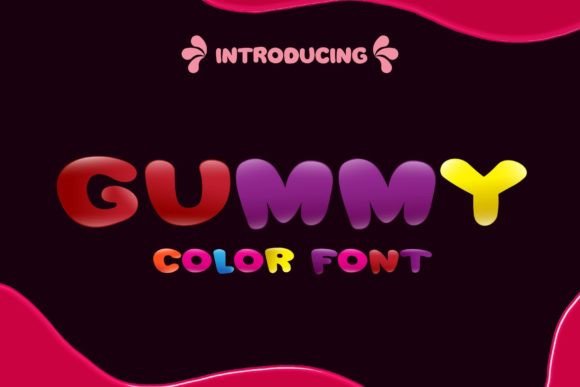
There’s a certain magic in typography that can immediately set a mood. While traditional fonts work silently in the background, Gummy steps into the spotlight as a vibrant personality. As a premium color font designed with an Opentype-SVG engine, Gummy isn’t just about the shape of the letters; it’s about the texture and depth within them. It captures a soft, cute, and bright aesthetic that feels authentic and tactile, almost like looking at glossy stickers or sweet confections.
Unlike standard vector fonts that rely on flat, single-tone colors, Gummy offers a pre-rendered, multi-colored appearance. This gives the typeface a distinct, three-dimensional quality that stands out immediately. For designers and creators, this means you are installing a piece of design assets that carries its own visual weight. You don’t need to layer effects or add gradients to make it pop; the font arrives ready to impress. This authentic feel makes it an excellent choice for projects that need to convey warmth, happiness, and a touch of whimsy.
Where Gummy Shines Brightest
Understanding where a creative font like Gummy fits into your workflow is key to getting the most out of it. Because of its bold and playful nature, it naturally gravitates toward projects that celebrate joy and personal connection. If you are working on logo design for a children’s brand, a bakery, or a party supply store, Gummy provides that instant recognition of "fun" without needing additional illustration.
It is particularly effective in the realm of social media graphics. In a fast-scrolling environment, standard serif fonts or sans serif fonts often blend into the noise. Gummy, however, acts as a visual anchor. Its bright colors and soft edges make it perfect for Instagram stories, TikTok overlays, or Pinterest pins where grabbing attention in the first second is vital. It translates beautifully to packaging design for products targeting a younger demographic or those in the lifestyle sector, adding a tactile quality to the visual presentation.
Furthermore, consider the impact on personal and semi-commercial projects. Invitations for birthdays, baby showers, or casual weddings benefit from its approachable vibe. It transforms stationary art and greeting cards from simple text arrangements into miniature pieces of art. Because it is a commercial font, you can confidently use it on products you intend to sell, such as digital planners, printable wall art, or merchandise, provided you adhere to the licensing terms.
Strategic Use of a Display Font
While Gummy is undeniably beautiful, using a display font effectively requires a bit of strategic thinking. In modern typography, hierarchy is everything. Because Gummy is visually dense and colorful, it is best reserved for headlines, subheadings, or call-to-action phrases. It is not designed for long-form body text; using it for paragraphs would likely cause eye strain and reduce readability.
The real power of Gummy lies in font pairing. To let it shine, pair it with a clean, neutral typeface. A geometric sans serif font or a simple, modern serif font makes an excellent companion. The contrast between the structured, quiet body text and the vibrant, expressive Gummy headers creates a balanced visual hierarchy. This ensures your design looks professional and organized rather than chaotic. When used correctly, Gummy elevates brand perception by signaling that a brand is approachable, modern, and attentive to aesthetic details.
Technical Realities and Compatibility
Before you integrate Gummy into your next project, it is crucial to understand the technical requirements of color fonts. Gummy is an Opentype-SVG file. This technology allows the font to contain vector shapes with color fills and gradients, but it does require specific software support to render correctly.
For professional designers, this is rarely an issue. Gummy is fully compatible with industry standards like Adobe PhotoShop and Adobe Illustrator. It also works well in Inkscape and Silhouette Studio, making it accessible for hobbyists and crafters using cutting machines for stickers or decals.
However, there are limitations to be aware of. Standard text editors like Microsoft Word or Google Docs generally do not support the complex rendering of SVG fonts. More importantly for the crafting community, Gummy is not compatible with Cricut Design Space. Cricut’s software typically struggles with the multi-layered nature of color fonts, often rendering them as a single, solid color or failing to cut them properly. If you are a Cricut user looking to create print-and-cut projects, you may need to convert the text to a shape or image in a compatible program like Silhouette or Illustrator before bringing it into your cutting software.
Practical Application and Testing
To ensure Gummy is the right fit for your specific needs, treat the selection process like you would with any other premium font. Start by evaluating the context. Does the project require a serious, corporate tone? If so, a handwritten font or a colorful display type might undermine the message. But if the goal is engagement, warmth, or playfulness, Gummy is a strong candidate.
When testing the font, play with the color palette of your background. Because the font has pre-set colors, the background contrast is vital. It tends to pop best against solid, lighter backgrounds or muted pastels, which allow the bright hues of the letters to remain the focal point. Avoid placing it over busy photographs or complex patterns, as this can make the text difficult to read and diminish the "clean" look of the design.
Also, take a moment to review the included styles and character map. Many premium fonts include alternate characters or ligatures that can add even more flair to your typography. Ensuring you have the right license is also a step that shouldn't be skipped. If you are creating items for sale—whether digital downloads or physical goods—verify that your usage falls within the commercial license agreement provided with the download.
Elevating Your Brand Identity
Ultimately, typography is a voice for your brand. Choosing a typeface like Gummy is a deliberate decision to speak in a tone that is friendly, energetic, and visually rich. It moves beyond the constraints of flat text to offer something that feels tactile and modern. Whether you are designing a brand identity for a new startup, crafting editorial design for a magazine spread, or simply making a birthday card for a loved one, the tools you use shape the outcome.
By incorporating Gummy into your toolkit, you gain the ability to inject instant personality into your work. It serves as a reminder that design doesn't always have to be serious or stark; sometimes, the most effective way to communicate is with a bright, soft, and genuinely fun aesthetic. As you experiment with this typeface, you’ll likely find it becomes a go-to asset for any project that needs a little extra sweetness.