Moscow: A Cool, Western-Looking Color Font for Modern Designers
Understanding the Visual Appeal of Moscow
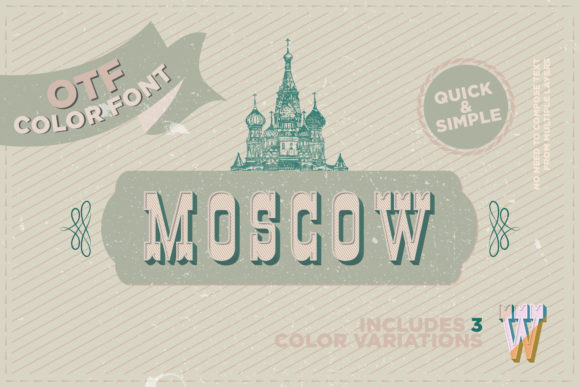
When you first encounter Moscow, you immediately notice its distinctive character. This is a premium font that carries a cool, Western-looking aesthetic, blending traditional serif influences with a contemporary color font format. Unlike standard typefaces where you choose a single color for all letters, Moscow leverages OpenType-SVG technology to incorporate multiple colors, gradients, and textures directly into the glyphs. This means the font arrives with its own built-in visual complexity, offering a polished, pre-designed look that can save hours of manual styling in design software.
The personality of Moscow is confident and structured. It carries the weight and authority often associated with classic serif fonts, yet its color application gives it a modern, almost digital-native feel. This duality makes it incredibly versatile. It doesn't scream for attention in a chaotic way; instead, it commands it through sophisticated styling. For a designer, entrepreneur, or content creator, this means you can achieve a high-end, editorial look without starting from scratch. The font itself becomes a central design asset, setting a specific mood that is both professional and visually engaging.
Practical Applications: Where Moscow Shines
The real value of a creative font like Moscow is measured by its utility across different projects. Because it is a display font, it is engineered for impact rather than long-form body text. Think of it as the headline act, not the supporting chorus. Its strengths are best utilized in scenarios where you need to capture attention quickly and convey a sense of established quality.
For those involved in logo design and brand identity, Moscow offers a distinct advantage. A startup or small business looking to stand out can use this typeface to create a logo that feels both timeless and trendy. It works exceptionally well for brands in the lifestyle, fashion, tech, or creative agency sectors. The built-in color effects can be used to match a brand’s specific palette, ensuring consistency across all touchpoints. When you use Moscow for a logo, you are essentially building a visual shorthand for quality and style right into the name of the business.
Beyond logos, consider its application in packaging design. On a shelf crowded with standard sans serif and script fonts, a product using Moscow will stand out. The "Western-looking" quality suggests reliability and craftsmanship, while the color font aspect adds a layer of modern sophistication. This is particularly useful for limited edition releases, special product lines, or packaging that needs to feel premium without being overly ornate.
Digital spaces are also a natural habitat for this typeface. Social media graphics, for example, demand instant readability and visual punch. Moscow delivers both. Whether you are creating Instagram stories, YouTube thumbnails, or Pinterest pins, the font ensures your message is not just read, but felt. It elevates a simple announcement into a piece of graphic design. Similarly, for web design, using Moscow for hero section headlines or call-to-action buttons can significantly improve user engagement. It breaks the monotony of standard web fonts and gives a site a unique, branded feel.
Integrating Moscow into Your Design Workflow
Adopting a new premium font into your toolkit requires more than just installation; it requires strategic thinking. First, it is crucial to understand the technical compatibility of Moscow. As an OpenType-SVG color font, it functions best in professional design applications like Adobe Photoshop, Illustrator, and Affinity Designer. It is also compatible with Silhouette and Inkscape. However, it is important to note that the OTF and TTF files are not compatible with Cricut machines. This is a key consideration for crafters and hobbyists who rely on that specific hardware. Always test the font in your primary software environment before committing to a large project.
Evaluating project fit is the next step. Ask yourself: does the tone of Moscow align with the message? Because it has a "Western" and "cool" vibe, it pairs well with projects that aim to be authoritative, stylish, or slightly edgy. It might not be the best choice for a whimsical children’s party invitation or a strictly formal academic paper. However, for a music festival poster, a fashion lookbook, a tech startup’s landing page, or a modern magazine spread, it is an excellent choice.
Font pairing is where many designers struggle, but Moscow actually simplifies the process. Because it is so visually distinct, it requires a quiet partner. A clean, geometric sans serif font works beautifully alongside it for subheadings and body text. Think of fonts like Montserrat, Futura, or a simple grotesque sans serif. These neutral companions allow Moscow to take center stage without creating visual clutter. Avoid pairing it with other decorative scripts or highly stylized handwritten fonts, as this will lead to a chaotic and unreadable layout.
Finally, consider the practicalities of readability and licensing. As a color font, Moscow is best used at larger sizes where its details can be appreciated. Using it at 8-point size for a footnote will likely result in a muddy, illegible mess. Test it at the size you intend to use to ensure clarity. Regarding licensing, because this is a commercial font, ensure you understand the terms for your specific use case—whether it is for a single client project, multiple commercial products, or personal use. Most premium fonts offer clear licensing tiers, so review the documentation to ensure you are covered.
In summary, Moscow is more than just a set of letters; it is a design solution. It provides a shortcut to high-quality, modern typography that can enhance brand perception, improve visual hierarchy, and engage audiences across print and digital media. By understanding its strengths and applying it thoughtfully, you can leverage this font to elevate your creative work and establish a more professional, recognizable visual identity.