Snow Montage: A Designer's Guide to Winter-Inspired Typography
Understanding the Visual Character of Snow Montage
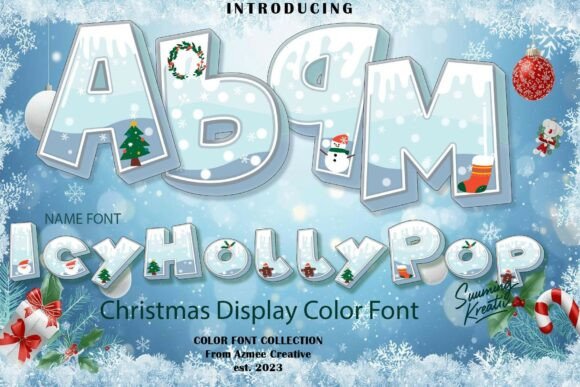
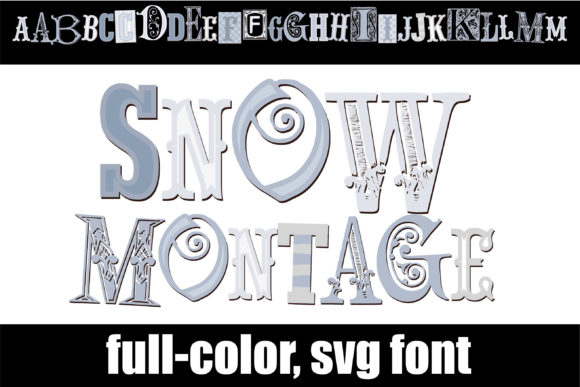
There's a certain magic that happens when typography captures the essence of a season. Snow Montage does exactly that, offering a full-color font that brings the crisp, layered beauty of winter directly into your design projects. At its core, this isn't just another typeface—it's a display font built from a montage of lettering styles, unified by a snowy color palette that feels both cohesive and dynamic. The visual texture mimics the way snow accumulates in different forms, creating letters that appear almost tactile.
What makes this premium font stand out in a crowded market of design assets is its dual character set. Beyond the primary upper and lower case, you get a second alt case accessible through your system's character map. This means you're not locked into one look. You can mix and match letterforms to create visual interest, avoid repetition in headlines, or fine-tune the personality of a single word. For anyone working on logo design or brand identity projects, that kind of flexibility is genuinely useful.
The color element deserves attention too. As an OpenType-SVG font, Snow Montage carries its color information directly within the font file. You're working with a creative font that arrives ready to render in full color, which eliminates extra steps in your workflow. The palette itself leans into cool blues, soft whites, and subtle grays—tones that evoke winter without feeling cold or unwelcoming. It strikes a balance between playful and polished that many seasonal fonts miss entirely.
Where Snow Montage Truly Shines in Real Projects
Let's talk about practical applications, because a font's value ultimately comes down to where and how you use it. Snow Montage excels in contexts where you need immediate visual impact with a seasonal or thematic connection. Think packaging design for winter product launches, holiday campaign headers, or event invitations that need to feel festive without resorting to clichéd clip art. The montage quality of the lettering gives it enough visual weight to anchor a design on its own, which is exactly what you want from a strong display font.
For editorial design, this typeface works beautifully as a headline or pull-quote treatment in magazines, blog graphics, or digital publications focused on winter themes, holiday content, or seasonal marketing. I've seen designers use similar premium fonts to create memorable chapter openers in cookbooks or lifestyle publications. The key is restraint—let Snow Montage handle the headline, then pair it with a clean sans serif font or serif font for body copy. That contrast creates a natural visual hierarchy that guides the reader's eye exactly where you want it.
Social media graphics are another natural fit. Platforms like Instagram and Pinterest reward bold, eye-catching visuals, and a color font like this one practically demands attention in a crowded feed. Small business owners running winter promotions, bloggers creating seasonal content, or marketers building holiday campaigns can use Snow Montage to create graphics that feel cohesive and professional without requiring advanced design skills. The built-in color means fewer decisions about palette matching, which speeds up the design process considerably.
It's worth noting the compatibility specifics here. Snow Montage works in PhotoShop, Illustrator, Silhouette, and Inkscape, but the OTF and TTF files are not compatible with Cricut. If you're a crafter who relies on Cricut for cutting projects, that's an important detail to know upfront. For Silhouette users, though, this opens up possibilities for vinyl projects, paper crafts, and custom merchandise that leverages the font's full-color capabilities.
Pairing, Readability, and Making It Work Professionally
One of the most common questions I hear about creative fonts like Snow Montage is how to pair them effectively. The answer starts with understanding what this font brings to the table: texture, color, and personality. You don't need a partner font that competes with those qualities. Instead, reach for something quiet and structured. A geometric sans serif font like Montserrat or a classic serif font like Garamond gives Snow Montage room to breathe while maintaining readability across longer text blocks. Avoid pairing it with another display font, script font, or handwritten font—that combination tends to create visual noise rather than harmony.
Readability is always a consideration with display typefaces, and Snow Montage is no exception. The montage-style lettering and color complexity mean this font performs best at larger sizes. Use it for headlines, titles, logos, and short phrases rather than paragraphs or captions. At small sizes, the details that make it beautiful can become muddy, and you lose the impact that justifies choosing it in the first place. This is standard practice in modern typography—match the typeface's strengths to the appropriate scale.
From a brand identity perspective, Snow Montage works for brands that want to signal seasonal relevance, creativity, or a playful-yet-professional tone. A boutique bakery launching a winter menu, a lifestyle brand running a holiday campaign, or a publisher creating a seasonal book cover could all use this typeface to reinforce their message visually. The alt character set adds an extra layer of customization, letting you fine-tune the look so it feels distinctly yours rather than generic.
Before committing to any commercial font, I always recommend testing it in context. Set your actual headlines, not just sample text. Check how it looks alongside your existing brand colors and imagery. Review the full character map to see what alternates are available. And verify that your software supports OpenType-SVG fonts—most current versions of PhotoShop and Illustrator handle them well, but older software may not render the color elements correctly.
Ultimately, Snow Montage is a thoughtful addition to any designer's toolkit if you work with seasonal content regularly. It's not trying to be everything, and that's its strength. It does one thing—winter-inspired, textured, full-color display typography—and does it with enough versatility through its alternate characters to stay useful across multiple projects. Pair it wisely, use it at the right scale, and it becomes a reliable asset for creating work that feels both professional and seasonally resonant.