Lebata: The Playful Color Font for Authentic Design
Capturing Authenticity in Every Letter
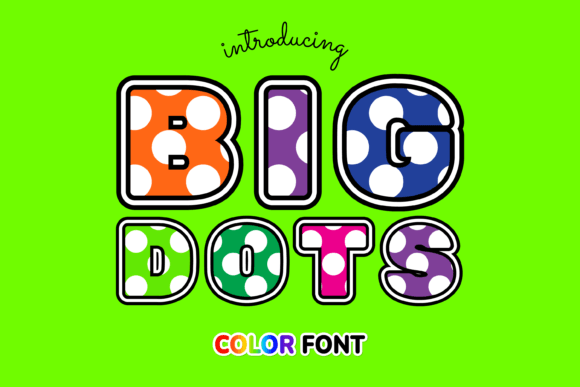
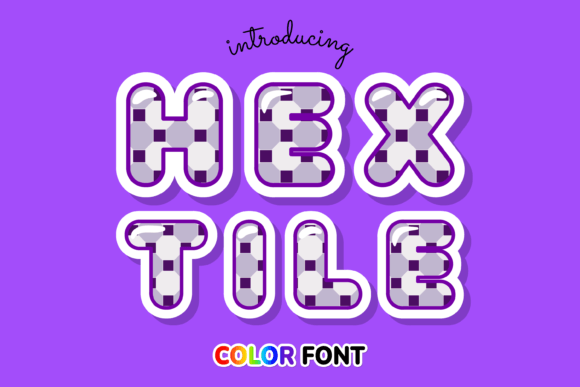
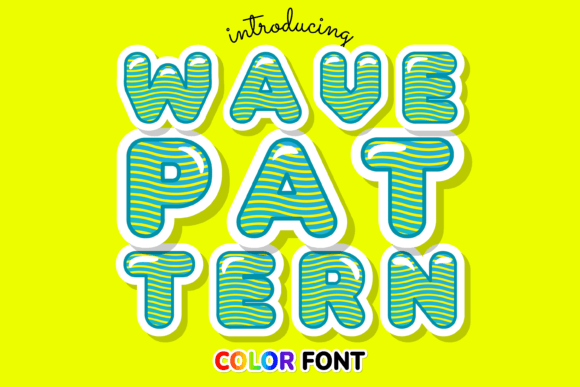
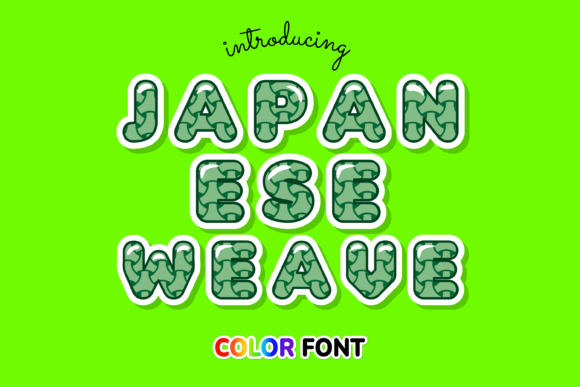
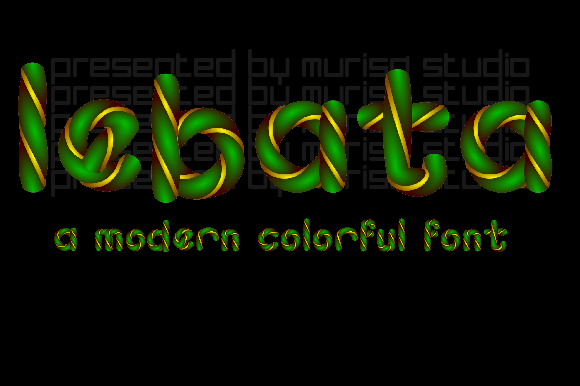
Finding a font that genuinely feels playful and authentic can be a challenge. Too often, typefaces labeled as "fun" come across as juvenile or lack the versatility needed for professional work. Lebata is a different kind of creative font. It’s a color font, meaning each letter is designed with built-in color and texture, creating a vibrant, multi-dimensional appearance right out of the box. This isn't just a standard typeface with a color overlay; it's an OpenType-SVG file that preserves the handcrafted, textured look of the original design. The result is a premium font that feels both energetic and genuine, making it a standout choice for projects that need to connect with a younger audience or convey a sense of joyful activity.
The visual personality of Lebata is defined by its rounded, friendly letterforms and its textured, colorful finish. It avoids the hard edges of a geometric sans serif font and the excessive flourish of a script font, landing in a sweet spot that feels approachable and modern. This style is particularly effective for projects in the education, children's entertainment, and family lifestyle sectors. Think of a summer camp brochure, a kids' activity book cover, or the branding for a family-friendly café. Lebata brings an immediate sense of warmth and invitation that a standard serif font or a neutral sans serif simply can't replicate.
Practical Applications: Where Lebata Shines
Understanding where a font like Lebata works best is key to using it effectively. Its strength lies in display applications—where it's used for headlines, titles, logos, and other short bursts of impactful text. In logo design, Lebata can instantly establish a brand's personality as fun, creative, and trustworthy. For packaging design, especially on products aimed at children or families, it helps the product stand out on the shelf and communicate its purpose at a glance. Imagine a box of organic fruit snacks or a DIY craft kit; Lebata's playful aesthetic aligns perfectly with the product's promise.
Beyond physical products, this creative font excels in digital and editorial design. Social media graphics, YouTube thumbnails, and blog post headers can all benefit from its eye-catching appeal. In web design, while it’s not suited for body copy, using Lebata for a homepage hero statement or section headings can break visual monotony and inject personality into a site. For publishers and content creators, it's a fantastic tool for designing engaging titles for children's books, educational materials, or interactive PDF workbooks. The key is to use it strategically, pairing it with a highly legible body font to create a clear visual hierarchy that guides the reader's eye.
Pairing and Professional Considerations
A single font rarely works in isolation. The true power of a typeface like Lebata is unlocked through thoughtful font pairing. Because Lebata has such a strong, textured personality, it pairs best with simple, clean companion fonts. A classic, neutral sans serif font like Open Sans, Lato, or Montserrat provides a perfect counterbalance, handling all the body text and secondary information with clarity and professionalism. Alternatively, pairing it with a simple, rounded sans serif can enhance the friendly feel without overwhelming the design. Avoid pairing it with other decorative, script, or handwritten fonts, as this will create visual clutter and undermine readability.
Before integrating Lebata into a project, a few practical checks are essential. First, always test the font with your specific words and layout. The color and texture are baked into the glyphs, so you need to see how the letters interact in context. Second, review the included styles and character set. A quality premium font will often include alternates, ligatures, or additional glyphs that offer more design flexibility. Third, and most critically, verify the licensing. Lebata is a commercial font, and its license will dictate how you can use it—for a single project, across multiple client projects, or for print-on-demand goods. Always read the license agreement to ensure your use is compliant.
Finally, a crucial note on compatibility: Lebata is an OpenType-SVG color font. This technology is supported in professional design software like Adobe Photoshop, Adobe Illustrator, Silhouette Studio, and Inkscape. However, the standard OTF and TTF files are not compatible with Cricut machines or other basic design platforms that don't support color font technology. If your workflow involves a Cricut, you would need to convert the font to a standard, single-color outline, which would lose its defining color and texture. For those using compatible software, Lebata offers a unique and valuable design asset that can elevate projects meant for children, families, and anyone seeking a touch of authentic, joyful creativity. For more detailed guidance on working with this type of modern typography, consulting a comprehensive font guide is always a recommended step.