Fiber Mesh: Adding a Textured Edge to Your Creative Projects
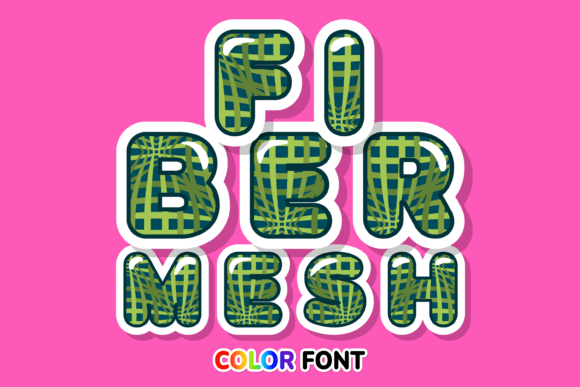
When you first see Fiber Mesh, it’s not just another typeface—it’s a visual experience. This premium font immediately stands out with its intricate, woven appearance, giving each letterform a sense of depth and dimension that flat fonts simply can’t match. It’s the kind of creative font that feels both modern and tactile, like a digital interpretation of fabric or interlocking fibers. For designers, crafters, and entrepreneurs looking for something that makes an impact without saying a word, Fiber Mesh delivers a distinct personality.
Understanding the Visual Character and Appeal
Fiber Mesh is a color font, specifically an OpenType-SVG font, which means the color and texture you see in previews are embedded directly into the font file. This isn’t a standard serif font or a simple sans serif font; it’s a display font with a bold, graphic presence. Its letters are constructed with a pattern that mimics interwoven strands, creating a complex, layered look. The style leans toward modern typography but with an artistic, almost industrial flair. It’s not a handwritten font or a script font, so it doesn’t aim for a personal, cursive feel. Instead, it projects confidence, creativity, and a touch of technical sophistication.
The overall appeal lies in its ability to act as both a headline and a design element. It doesn’t just convey words; it adds texture and interest to a layout. This makes it particularly effective for projects where you want the typography to be a focal point. Think of it as a design asset that can elevate a simple logo design or make social media graphics instantly more engaging. Its personality is bold, contemporary, and slightly unconventional—perfect for brands that want to stand out in a crowded marketplace.
Where This Creative Font Truly Shines
Fiber Mesh isn’t for every project, and that’s part of its strength. It excels in contexts where you need maximum visual impact. In branding and logo design, it can give a startup or a creative agency an immediate edge, suggesting innovation and attention to detail. For packaging design, especially for products in tech, lifestyle, or artisanal markets, it can make the product look premium and thoughtfully designed. In editorial design, it works wonderfully for magazine covers, section headers, or pull quotes where you want to break the monotony of standard body text.
Digital applications are where this font really comes alive. It’s fantastic for web design hero sections, app interfaces, or video titles. Social media graphics are another natural home; a post or story using Fiber Mesh as a headline will stop the scroll. It’s also a great choice for custom designs in DIY crafts—think personalized t-shirts, tote bags, or vinyl decals for Silhouette or Inkscape projects. However, a crucial note for crafters: this is an OpenType-SVG font, so it is not compatible with Cricut machines. It works seamlessly in PhotoShop, Illustrator, and other advanced design software.
Making Smart Decisions with a Display Typeface
Choosing a font like Fiber Mesh requires thoughtful evaluation. Its detailed texture means it’s best used for headlines, logos, or short bursts of text, not for long paragraphs where readability could become an issue. When testing font pairings, balance is key. Pair it with a clean, neutral sans serif font or a simple serif font for body text. For example, a geometric sans serif like Montserrat or a classic serif like Lora can provide a calm counterpoint to Fiber Mesh’s energetic display.
Always review the included styles and character set. A good premium font will offer multiple weights or stylistic alternates, giving you more flexibility. Before committing, test the font in your specific design environment. Does the texture render clearly at the size you’ll use it? Does the color (if you’re using the color version) work with your palette? For commercial projects, ensure the licensing covers your intended use—whether it’s for client work, merchandise, or digital products. This due diligence prevents headaches later and ensures your brand identity remains consistent and professional.
Building a Recognizable and Engaging Visual Language
Used strategically, a typeface like Fiber Mesh can significantly influence how an audience perceives a brand. It can make a brand feel more innovative, artistic, and memorable. The key is consistency. If you use it for your main logo, consider using a simpler complementary font for your website body text and marketing materials to maintain readability while keeping a cohesive look. This approach builds a strong visual hierarchy, guiding the viewer’s eye to what matters most.
For content creators and marketers, this font can be a secret weapon for engagement. A blog header or a YouTube thumbnail set in Fiber Mesh instantly signals that the content is creative and high-quality. It adds a layer of professionalism that generic fonts lack. Ultimately, the value of a font like this lies in its ability to help you communicate more effectively and memorably. It’s not just about looking good; it’s about creating a connection and standing for something specific in the minds of your audience. When chosen and applied with care, Fiber Mesh becomes more than just a typeface—it becomes a core part of your creative toolkit.